Specialist measurement, analysis, and mitigation services for railway noise, vibration, wear, and structural performance — from environmental corridors to stations and tunnels.
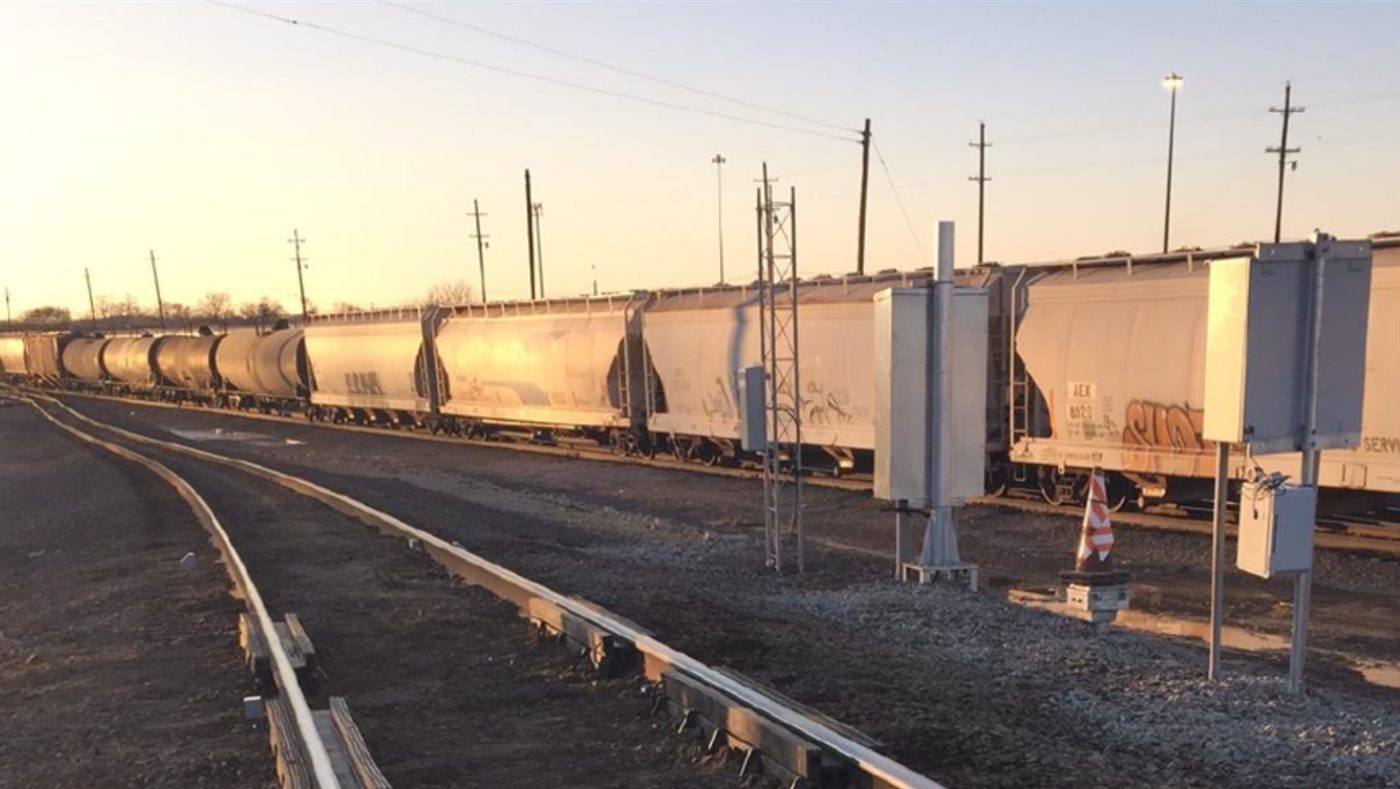
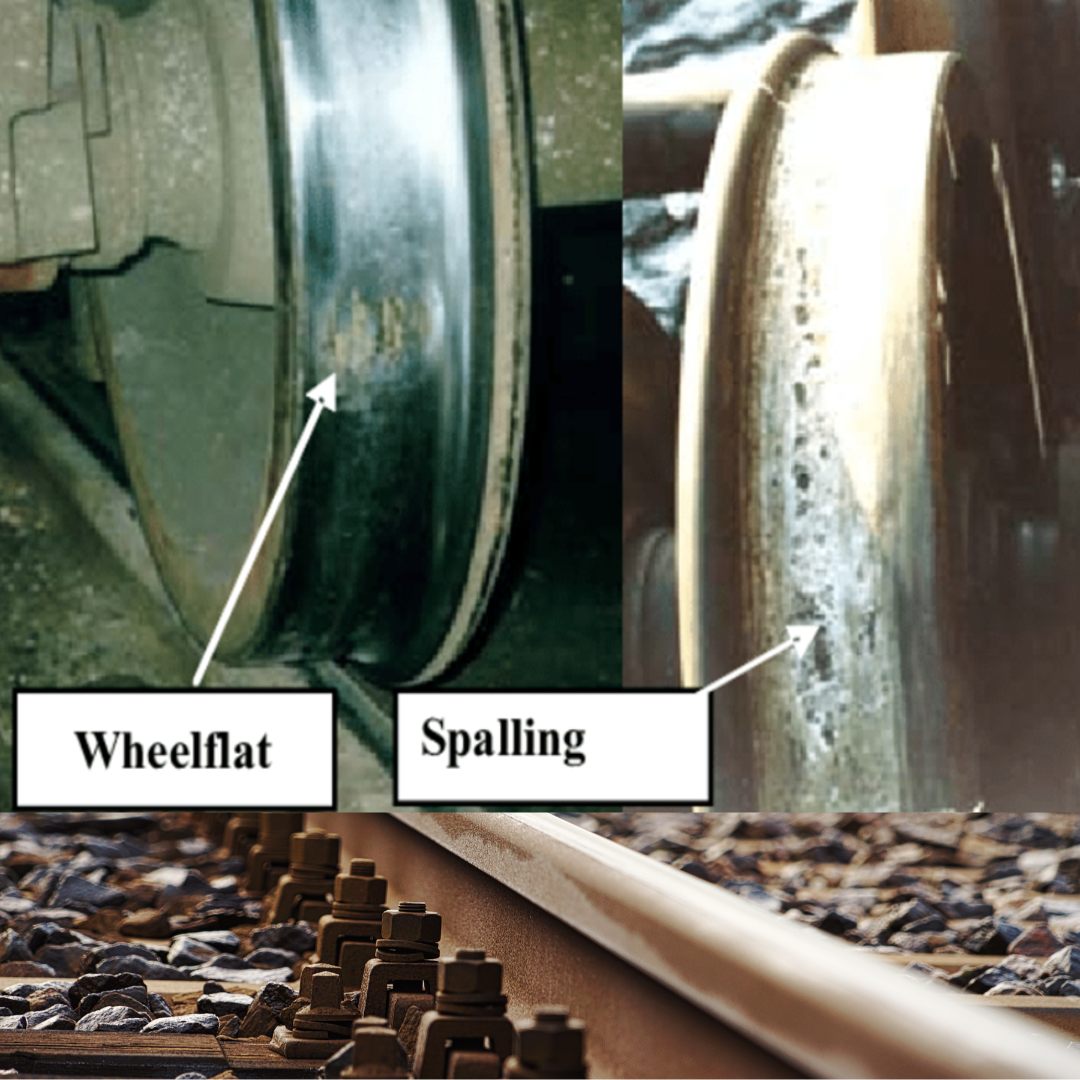
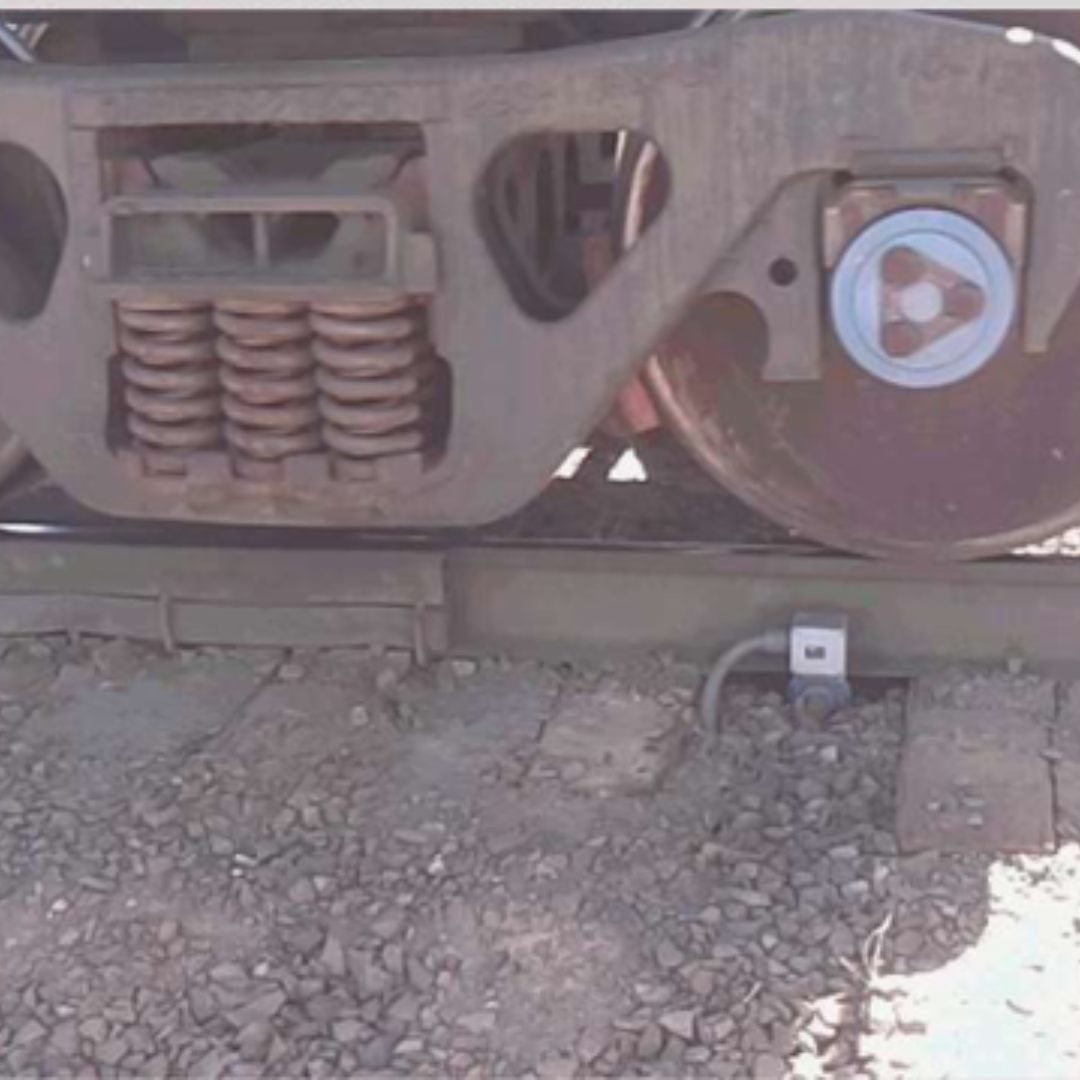
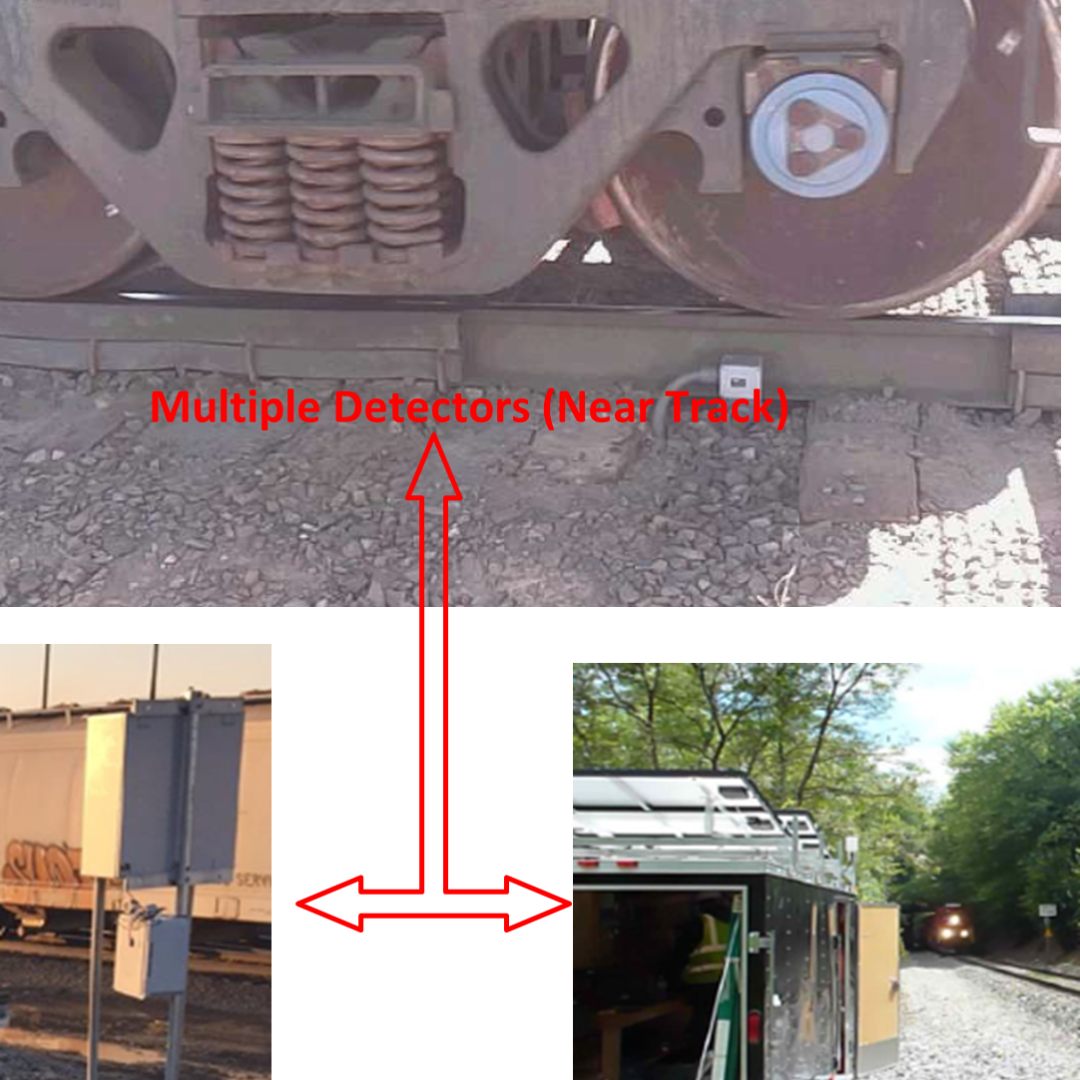
OMRS (Online Monitoring of Rolling Stock) measures loads generated at wheel-rail interaction and generates alerts for unusual forces. It leads to identifying wheel flats, suspension defects, and more. Veneklasen's OMRS solution encompasses the functionality of Sound, Vibration, and Ultrasound in one system, using proprietary algorithms to predict defects at a very early stage than any other system.
Veneklasen — Railway Wear & Tear Damage Prediction System of Rolling Stock enables Predictive Maintenance of coaches, wagons, and locomotives by meeting the following functionalities:
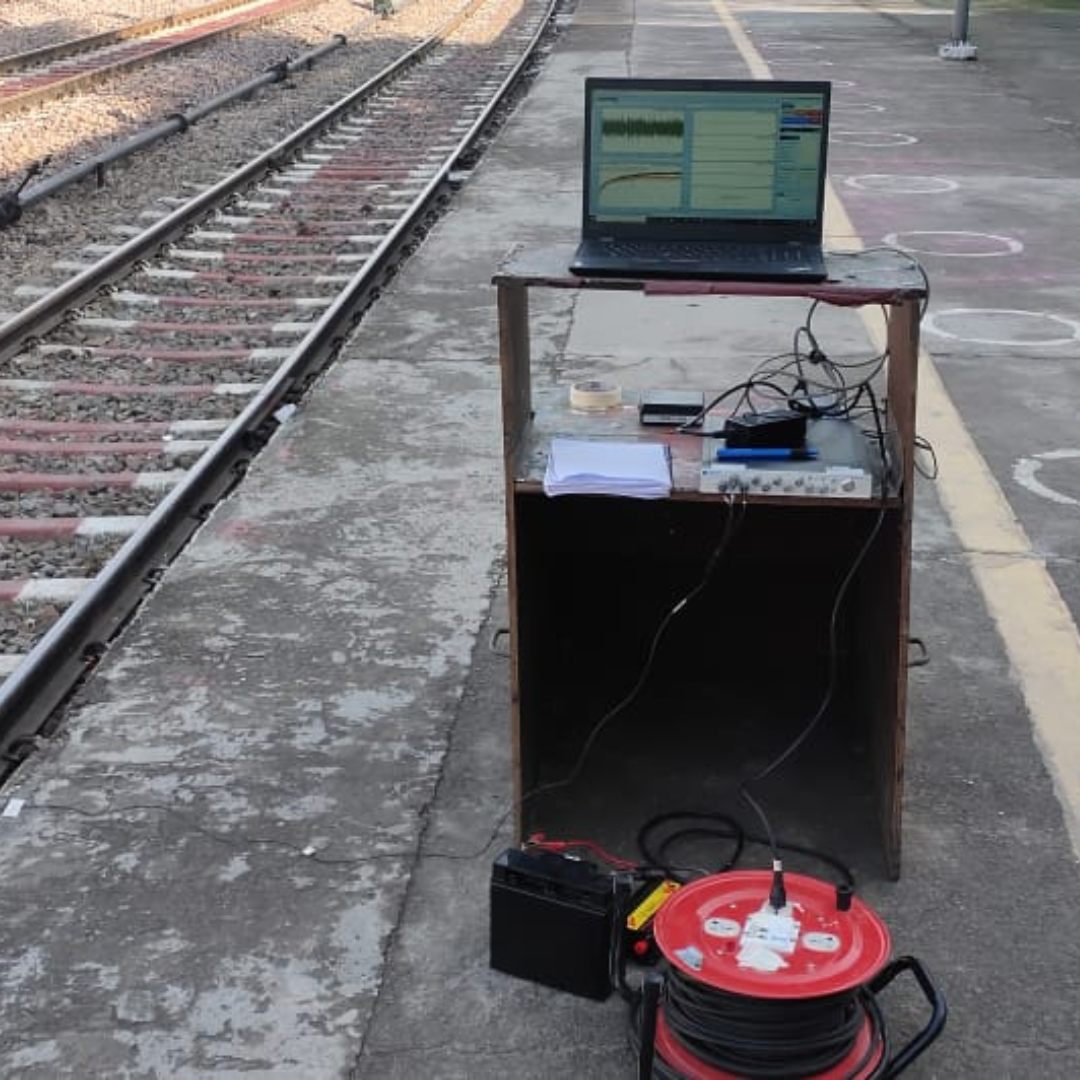
Annoyance from environmental noise and vibration from rail transportation networks is widely considered an environmental assessment endpoint, which can be taken as a basis for evaluating the impact and annoyance to residents. Environmental noise and vibration monitoring programs have proven to be a critical framework in the sustainability assessment of inter- and semi-urban rail networks.
People annoyed by noise may experience a variety of negative responses — anger, disappointment, dissatisfaction, withdrawal, helplessness, depression, anxiety, distraction, agitation, or exhaustion. There is a correlation between the way people perceive rail noise and rail-induced vibration: as ground-borne sound pressure levels increase, the number of people expressing annoyance and complaints about vibration peaks. Airborne noise and vibration caused by the same source — rail-wheel interaction — also interact.
Veneklasen takes pride in executing a full assessment of all measured results and noise levels. The assessments define a common approach intended to avoid, prevent, or reduce — on a prioritized basis — the harmful effects (including annoyance) of exposure to environmental noise. Our assessment guides the implementation of appropriate noise barriers, on which the total aesthetic and acoustic adaptation is based, to fulfil adequate noise-protection criteria and full aesthetic consistency with the surrounding landscape.
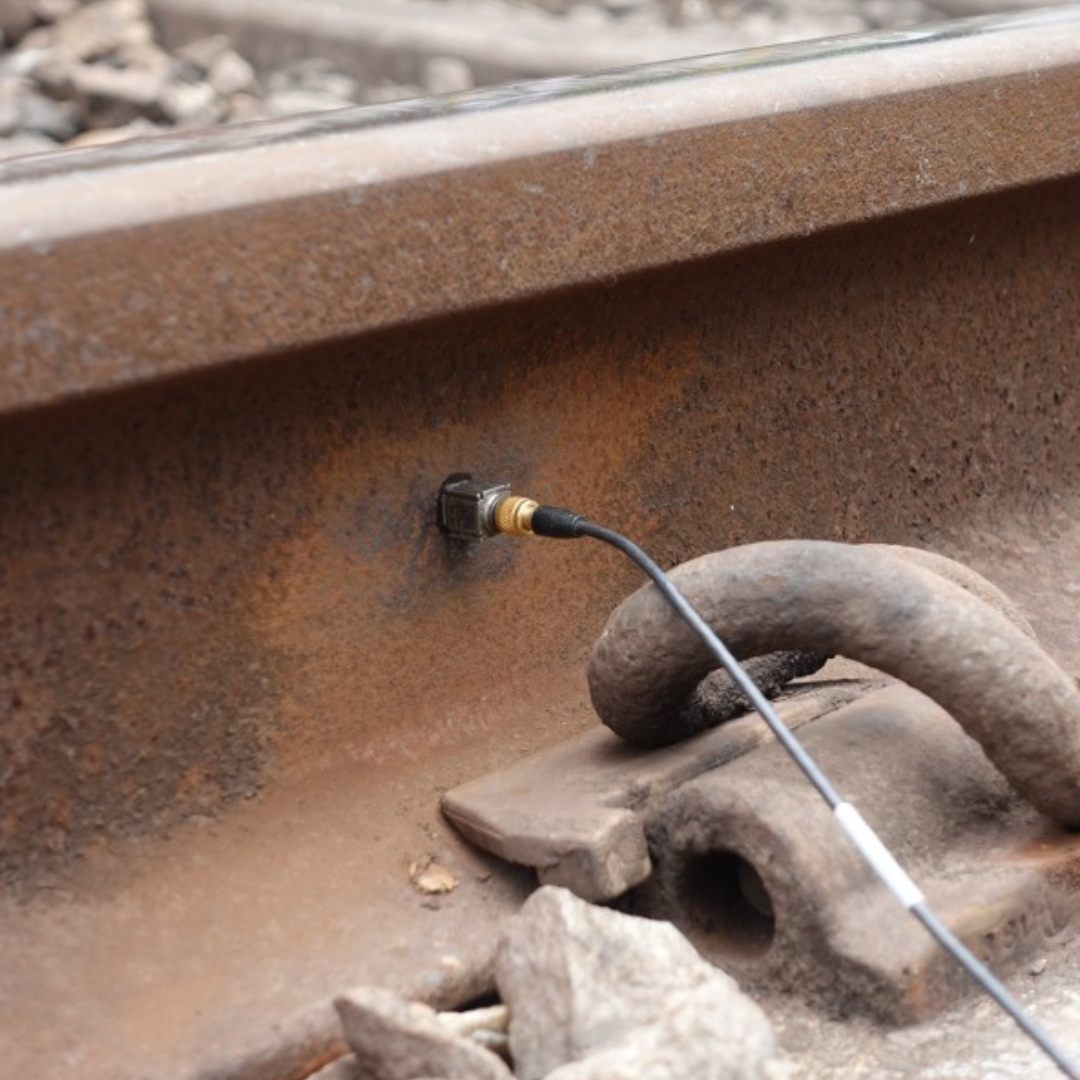
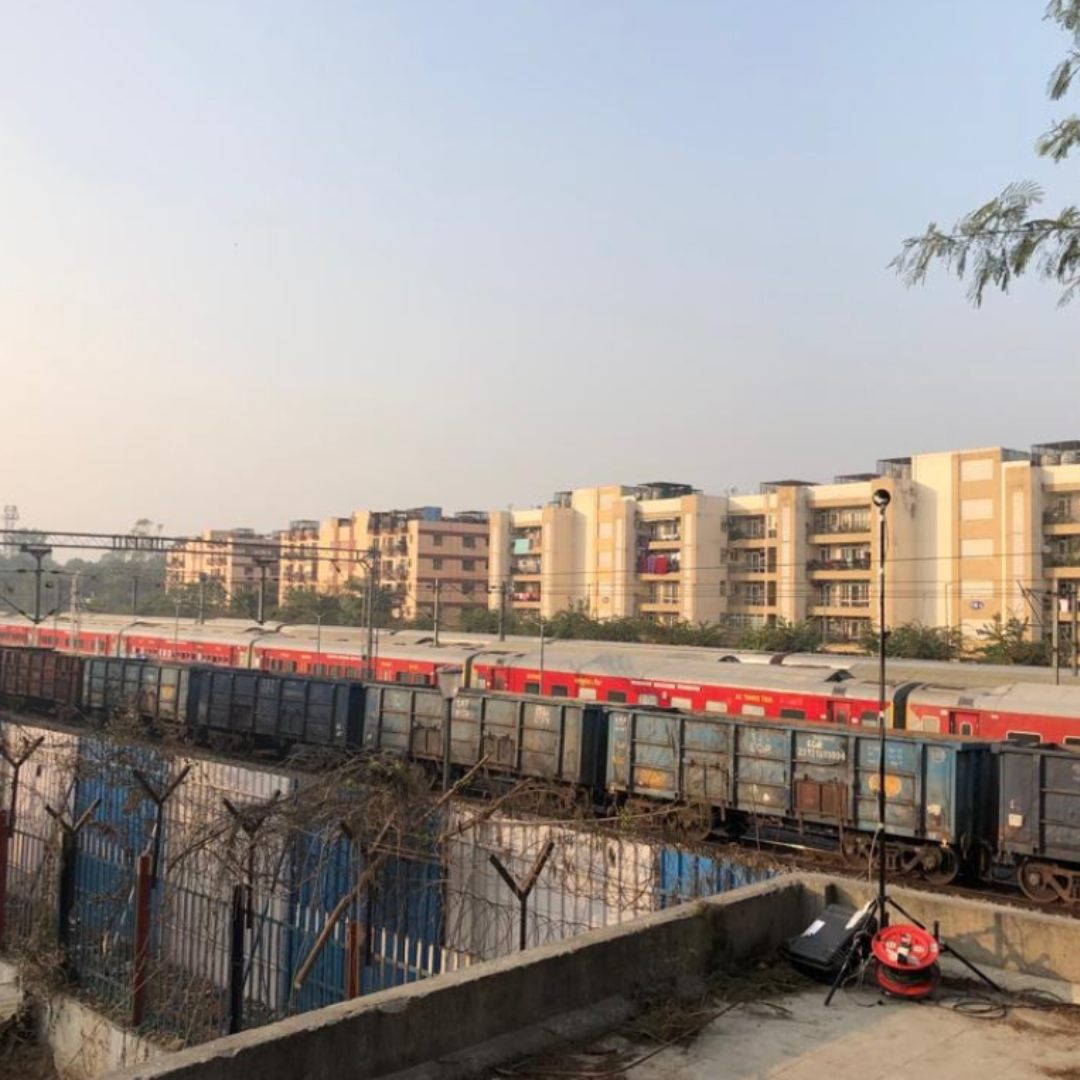
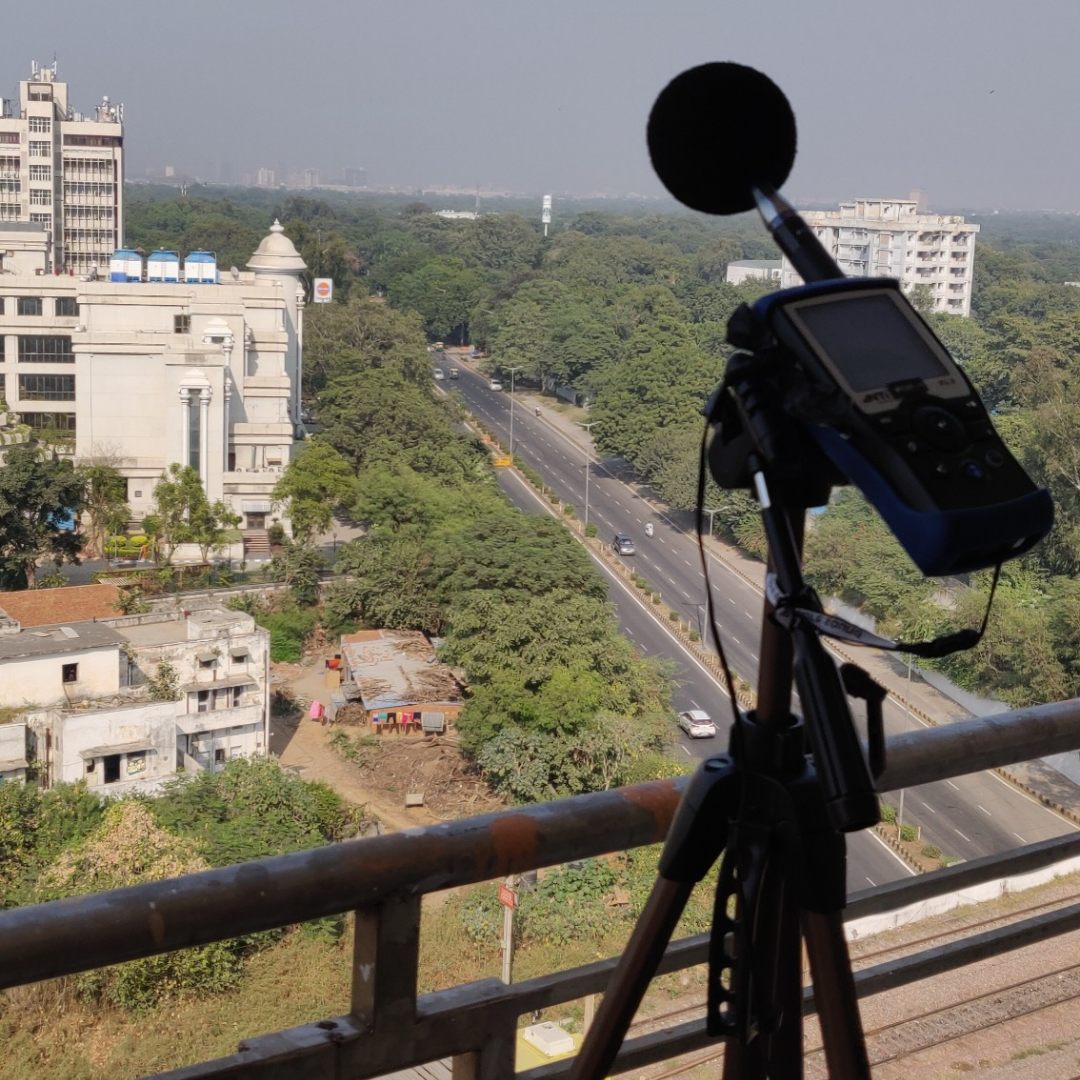
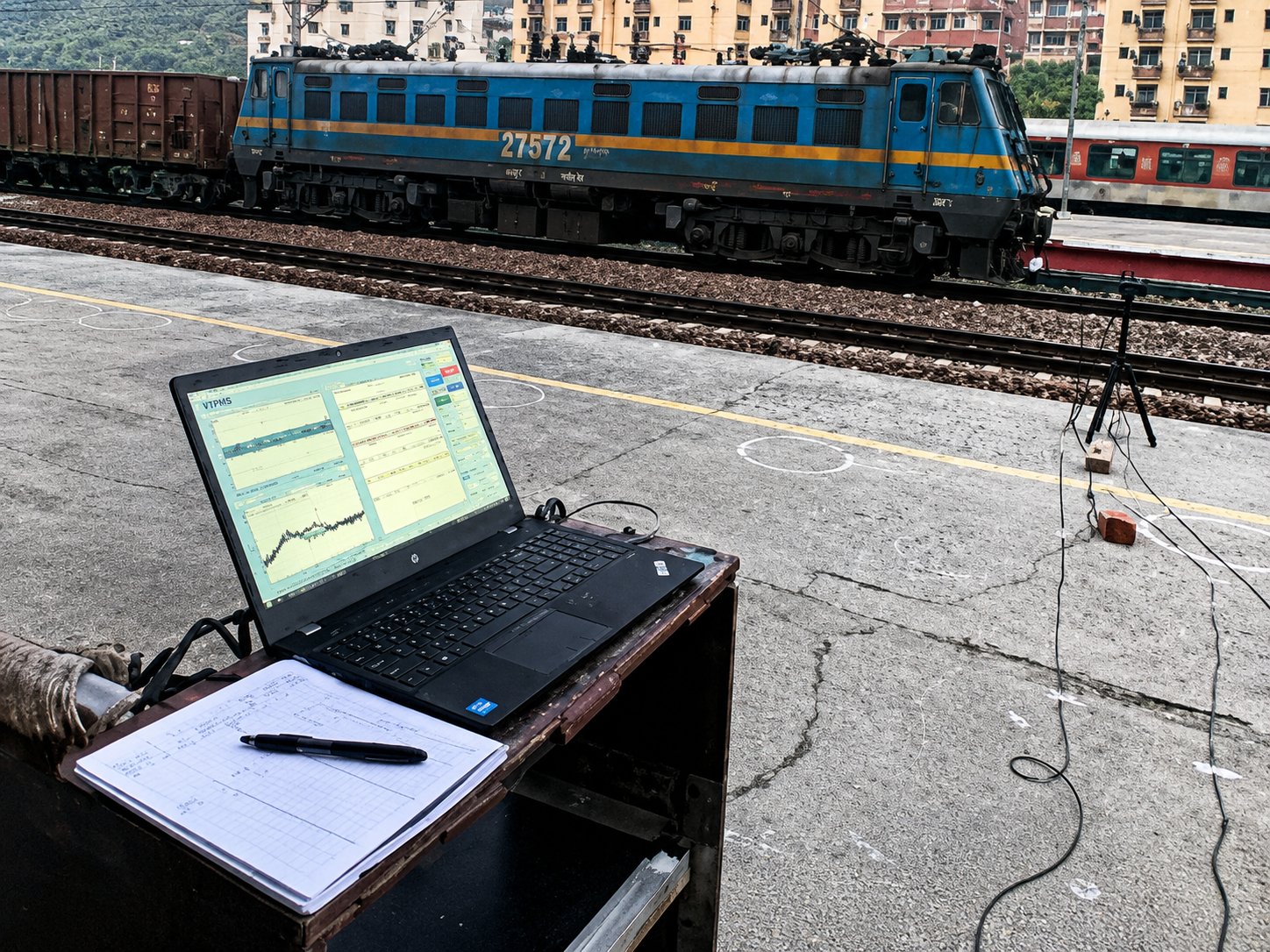
Vibration impacts identified during the preliminary stages of a project usually need to undergo detailed analysis during the final design. Final-design activities generate the geotechnical information needed to define the impact assessment and allow the most detailed consideration of vibration-mitigation measures where required. Detailed vibrational analysis is best accomplished during the final design of the project.
Vibration inside buildings can affect people and sensitive equipment — in hospitals, broadcasting units, religious institutions, and more. Standards are laid down to protect these structures and the activities inside them from train noise and vibration. Vibration from a transit route causes buildings to shake and rumbling sounds to be heard; other effects include perceivable movement of floors, rattling windows, and shaking of items on shelves or walls. In extreme cases the vibration can damage buildings, and annoyance often occurs when it exceeds the threshold of perception by only a small margin.
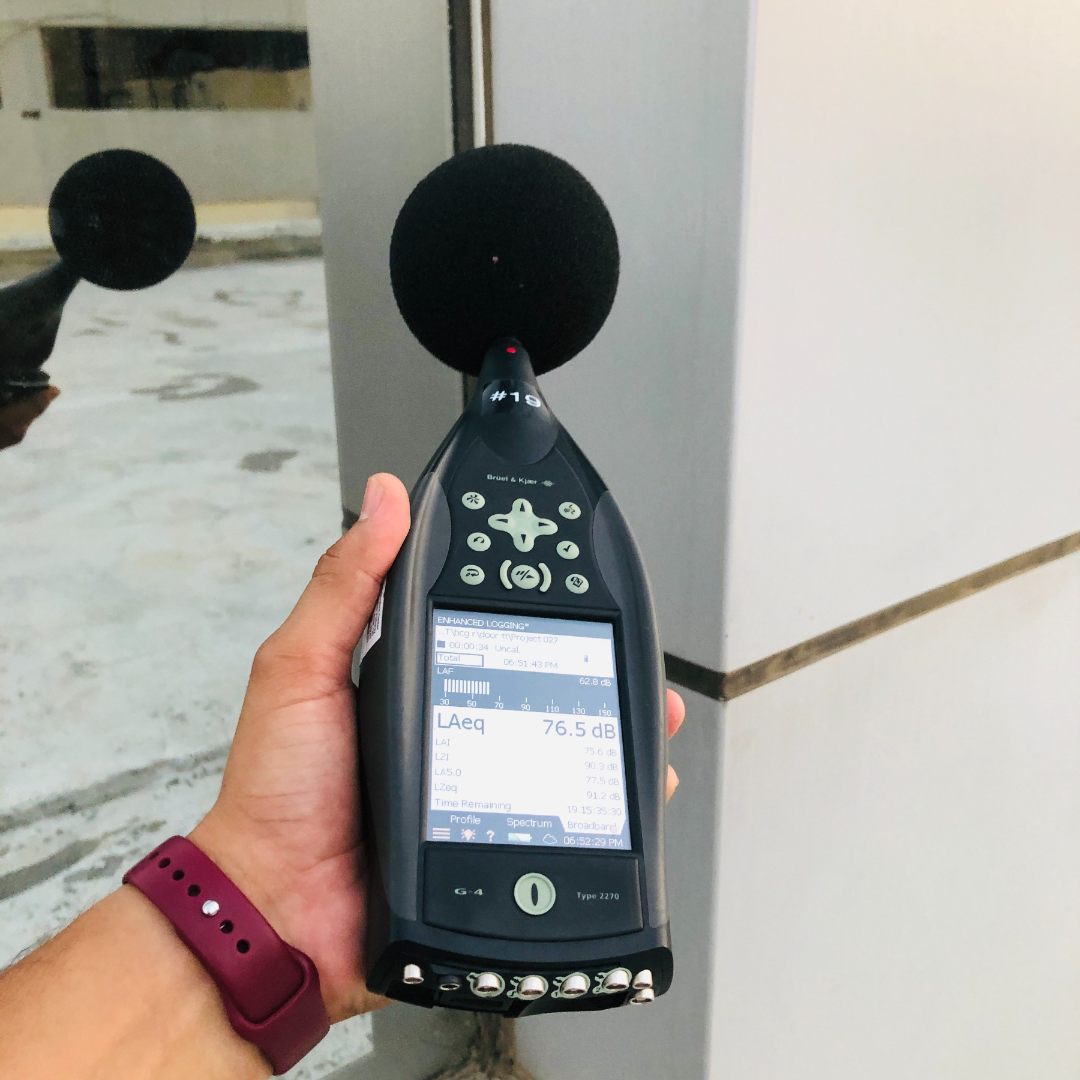
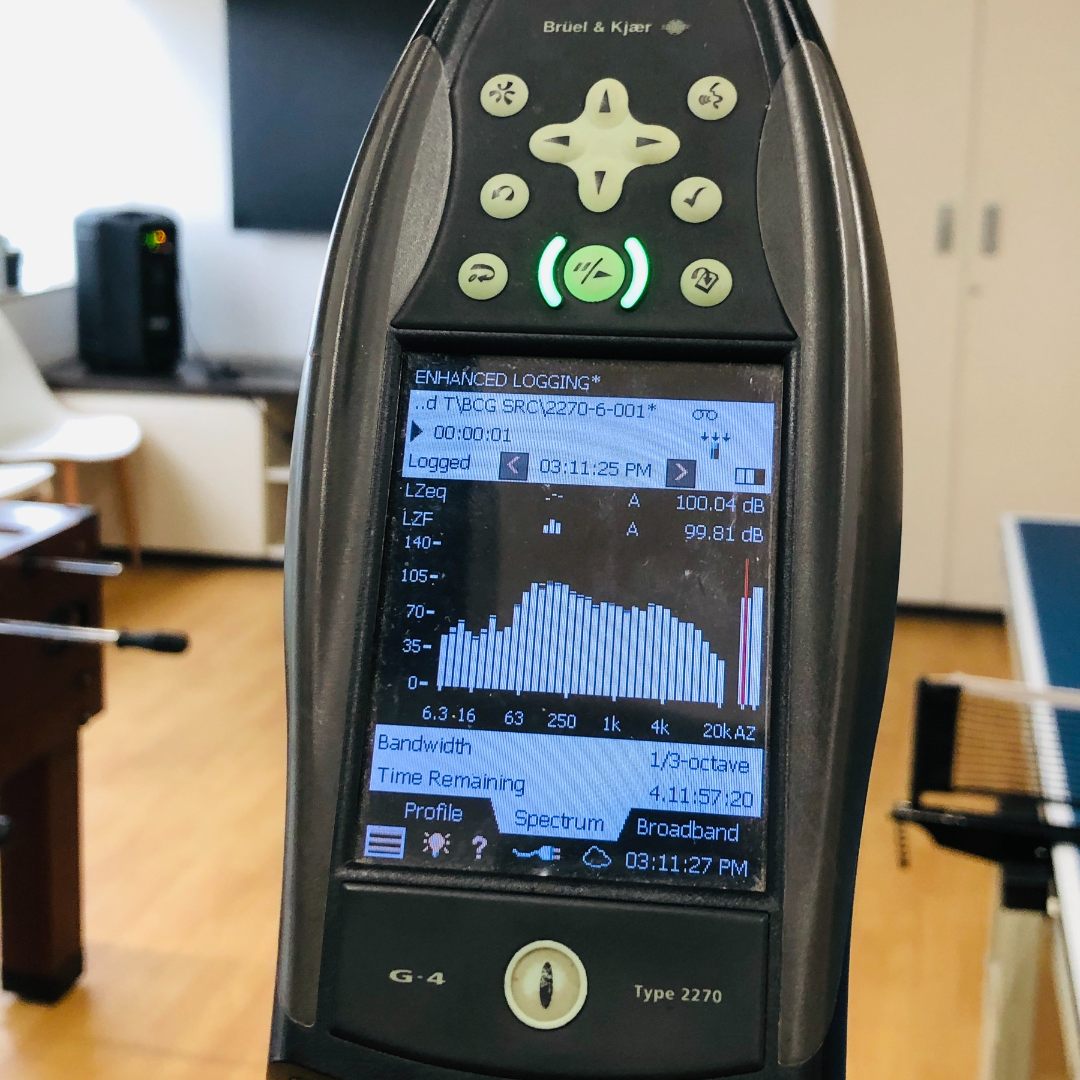
Veneklasen has successfully undertaken projects in Goa and Safdarjung incorporating noise and vibration monitoring through the deployment of sophisticated on-field measurement equipment. Recommendations provided by the Veneklasen team during the initial design stages ultimately led to cost-effective and efficient project designs for the client.

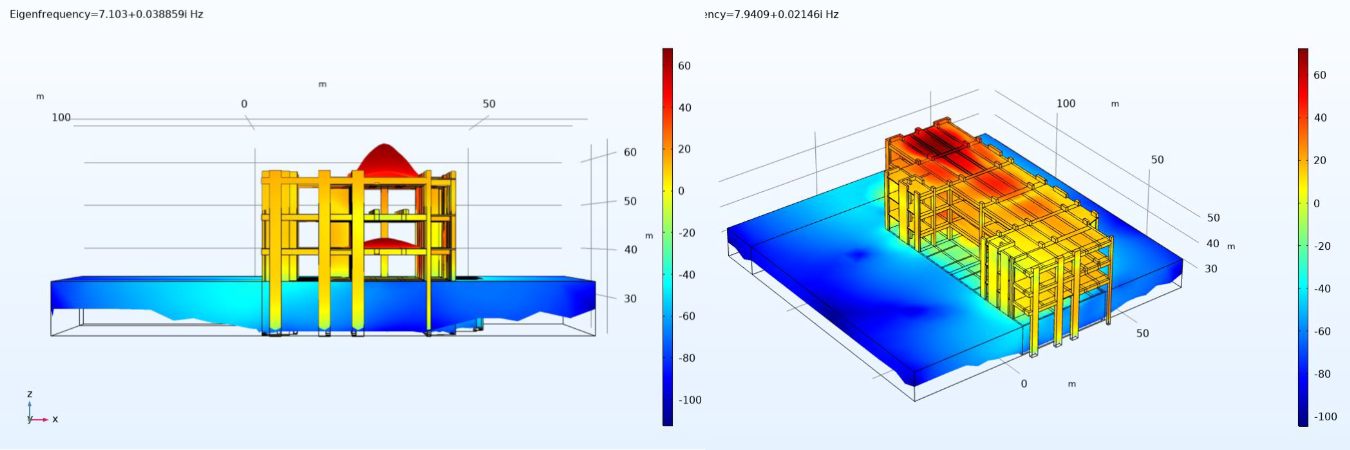
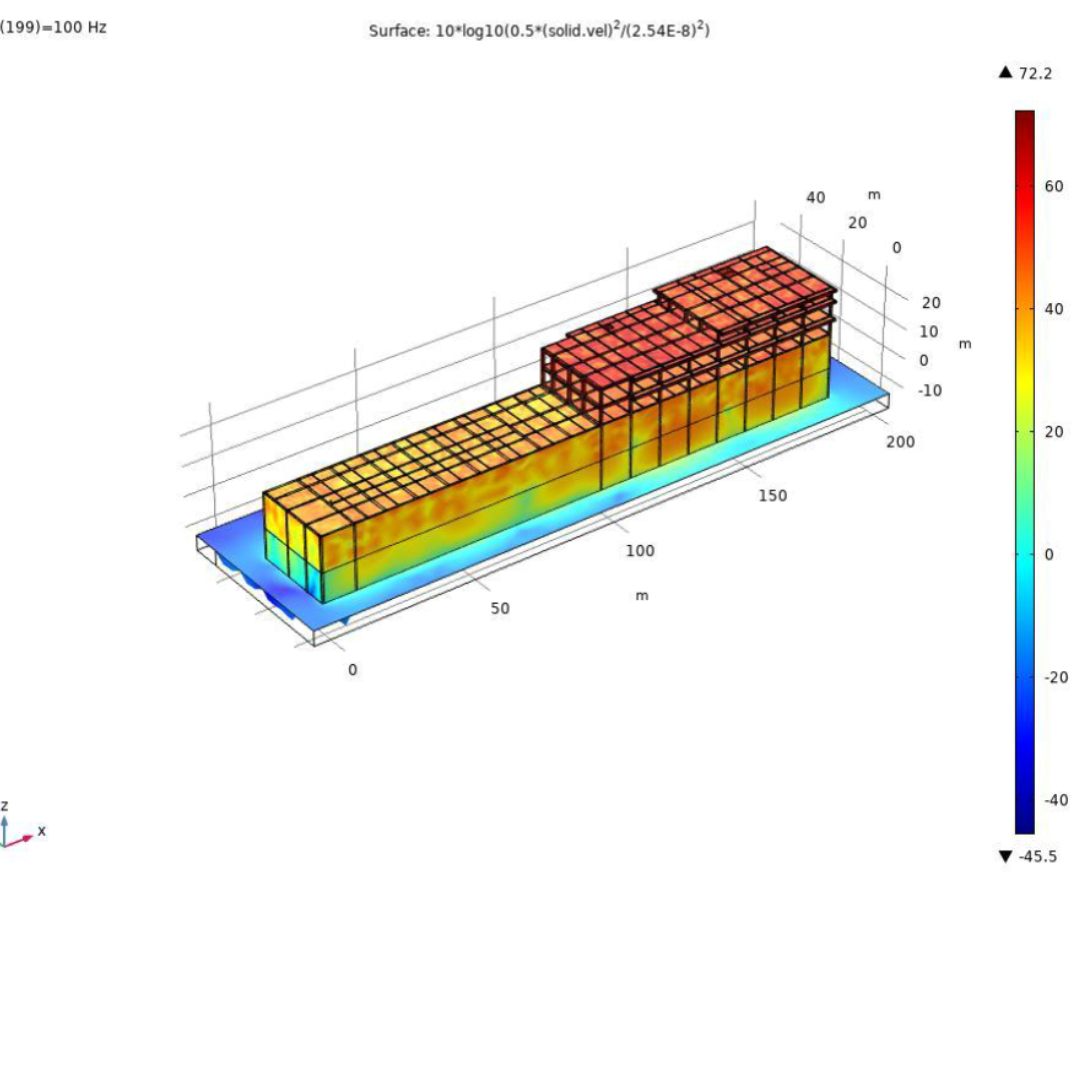
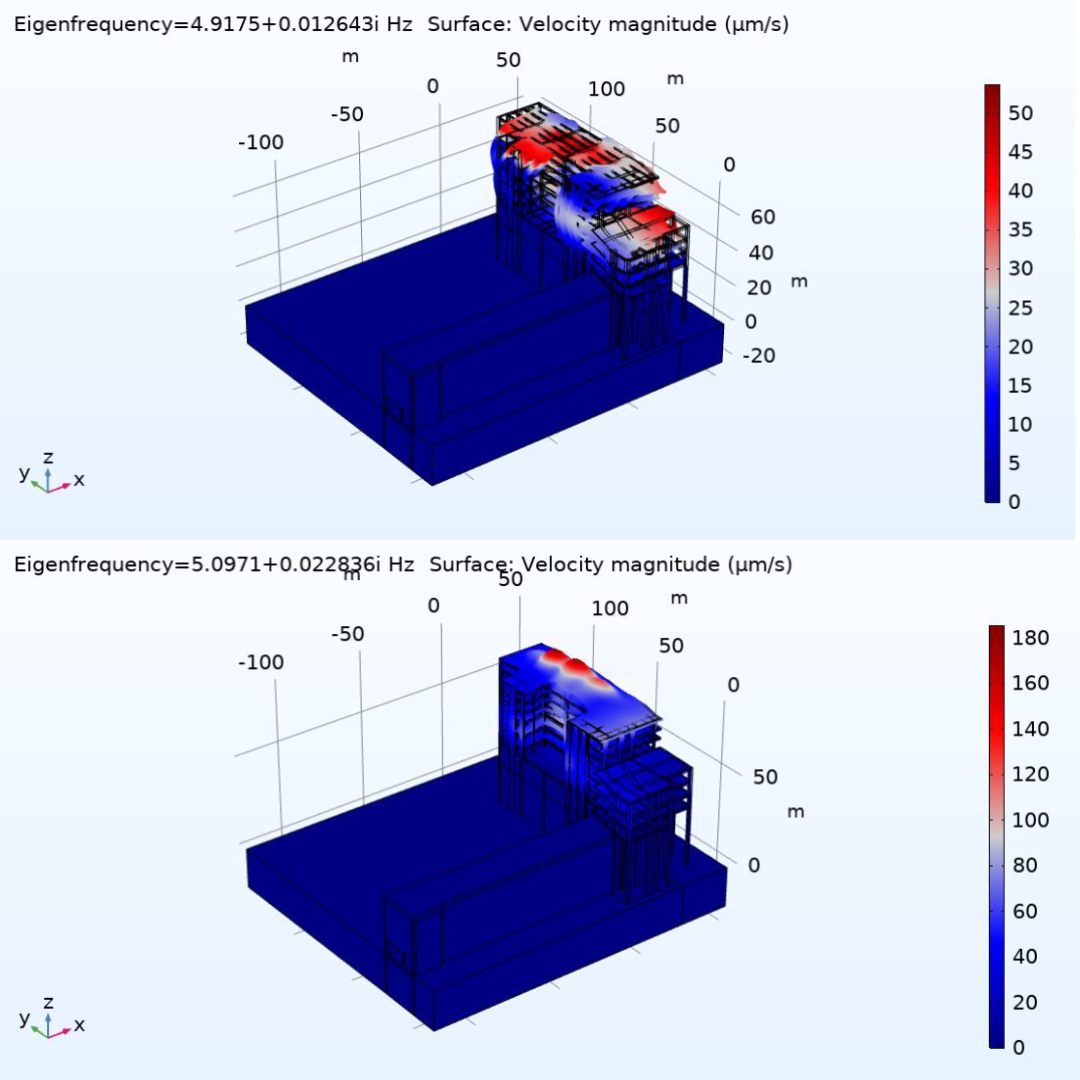
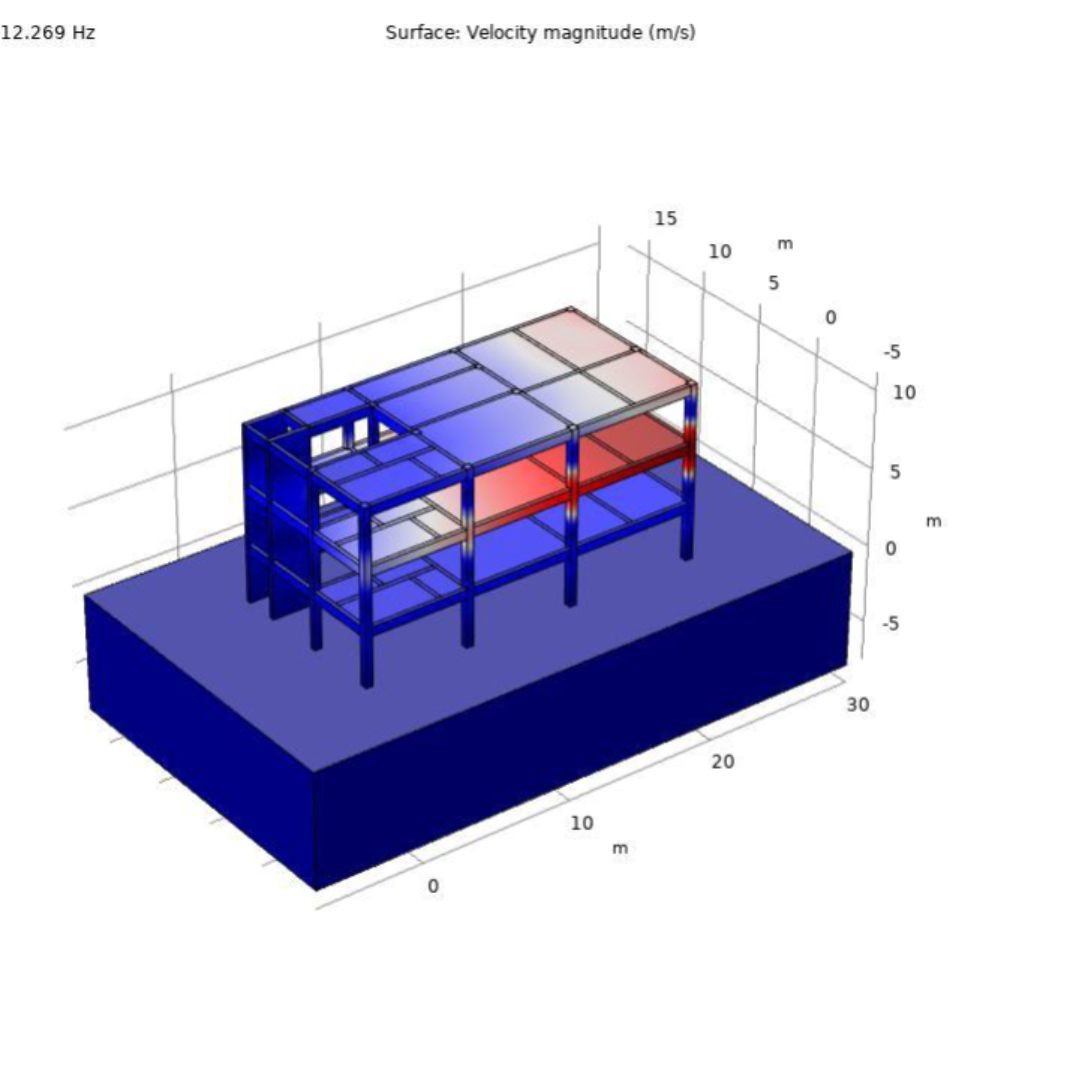
During the initial stages of a project the proposed infrastructure is still under construction and lacks the necessary field detail, so detailed noise and vibration analysis for building interiors may not be feasible. Computer simulation and modeling is a cost-effective method in which detailed analysis of the entire building and its surroundings is possible, with an effective saving in the project's lead time. Finite Element Modeling (FEM) is the most widely employed approach in the industry for modeling vibration effects in civil structures.
The FEM approach breaks the structure down into a mesh of discrete elements, with the continuous variables approximated by the values at the vertices of these elements. The governing equations of vibratory motion — not solvable analytically — are thereby reduced to a set of large matrices that can be solved through appropriate numerical methods. Veneklasen has a dedicated modeling team working across a varied range of applications, including building structural modeling, modal analysis, harmonic analysis, acoustic and shock-wave analysis, and fluid-flow analysis. The team has enriched experience in meticulous project planning, model setups, and simulation scheduling to ensure timely delivery.
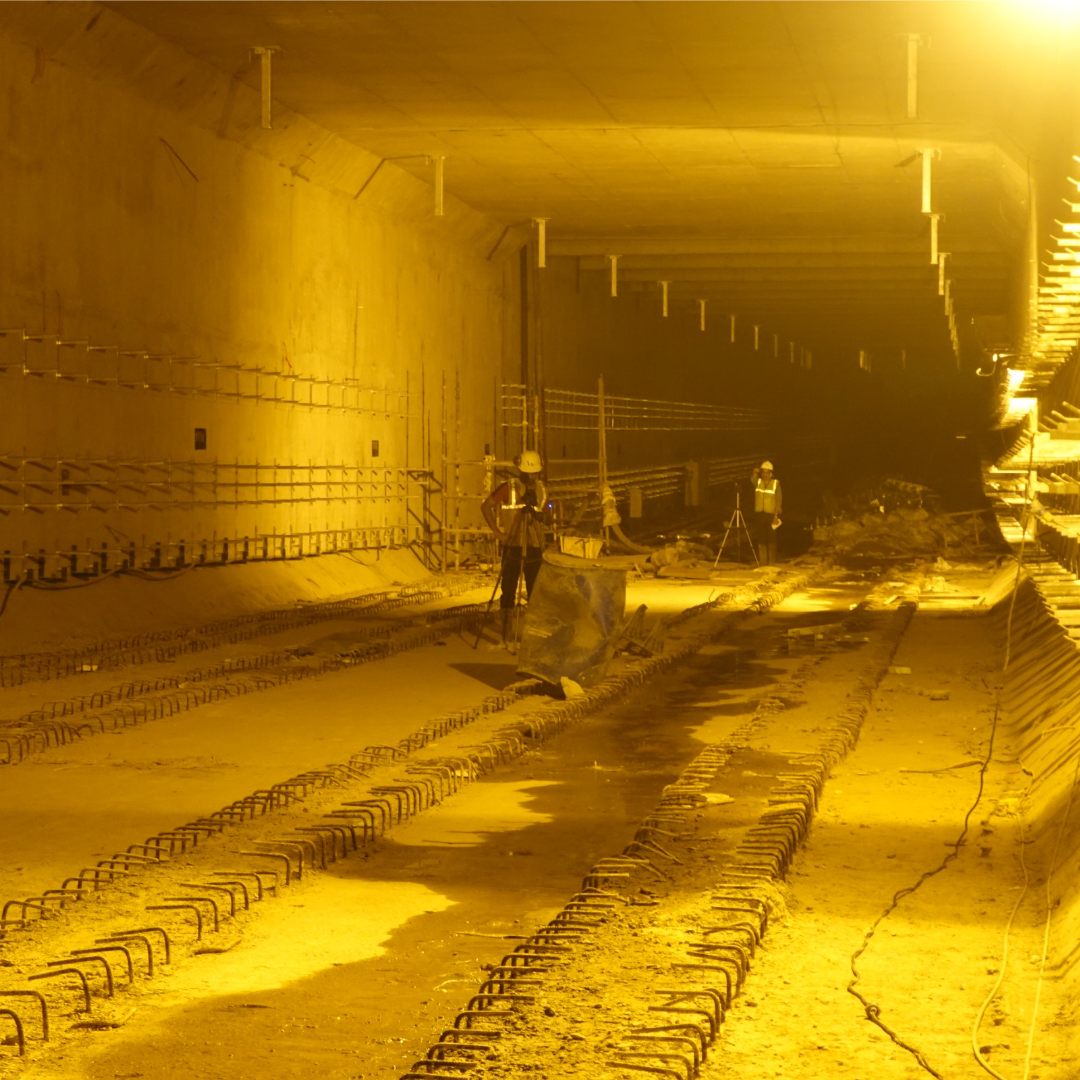
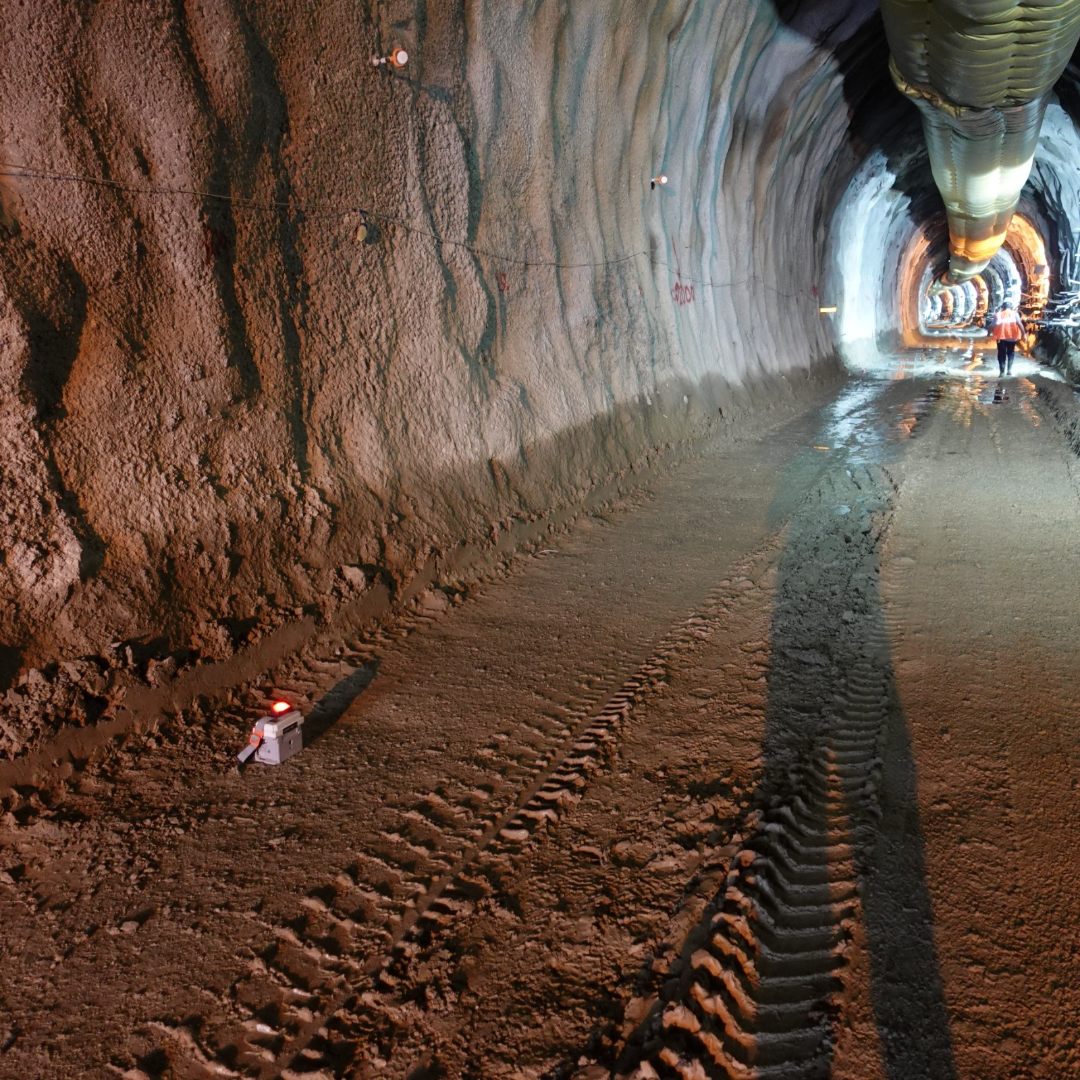
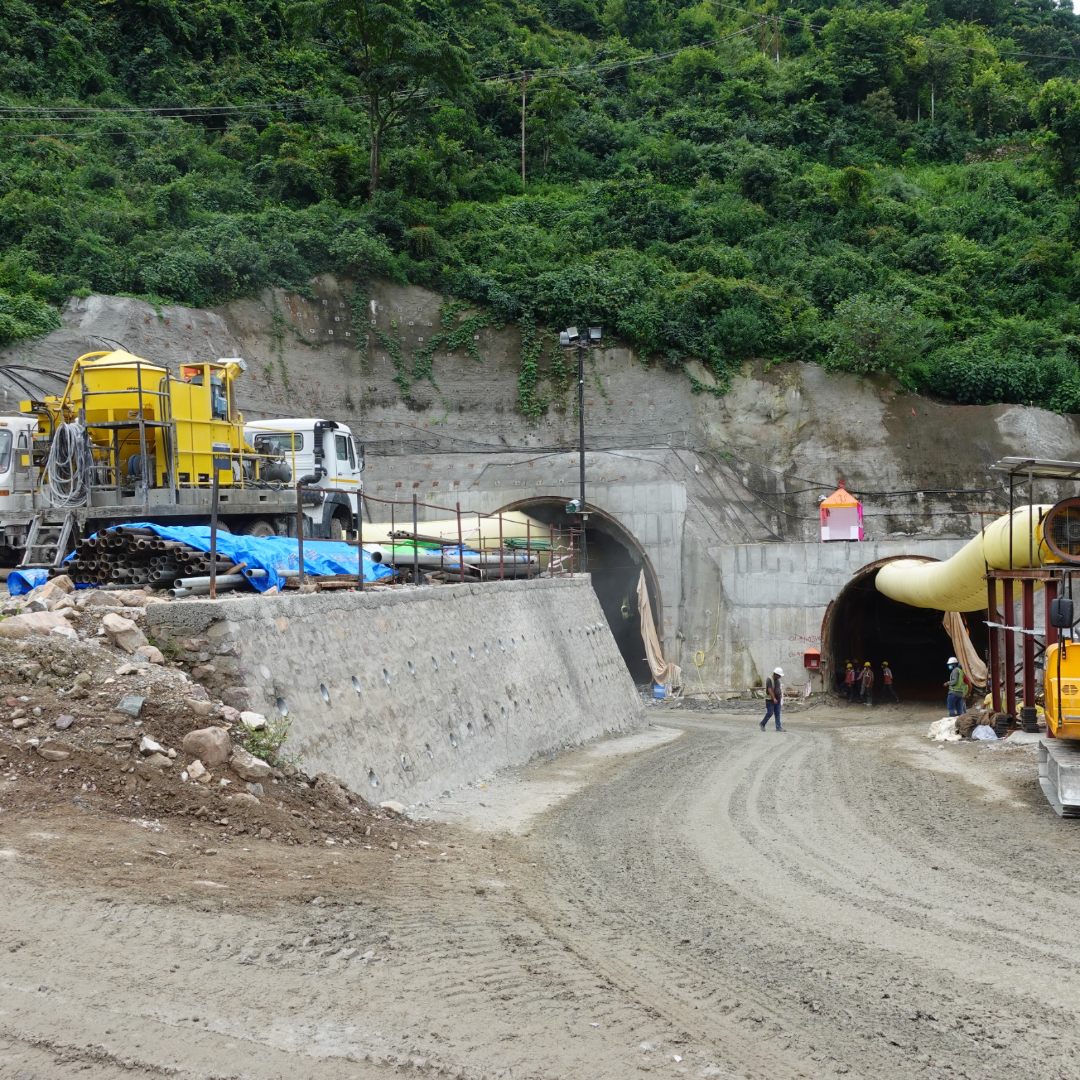
The shock generated by blasts inside a tunnel is a complicated phenomenon that the Veneklasen team has successfully dealt with, both in terms of its modeling and its mitigation. A blast inside a tunnel generates a blast wave that travels through the tunnel and a shock wave that eventually decays into an acoustic wave travelling at the speed of sound. The effects of this blast wave include ground-borne vibration, low-frequency noise, and high-frequency noise. Concerns about the negative impact on people and structures from blasting-induced noise and vibration are a top priority for such projects.
There is considerable air movement and pressure difference at the shock-wave position, and the pressure is translated through the tunnel in the form of ground-borne vibration. The damage potential of the wave depends on the type of structure, the shock-front pressure rise, the force due to impulse, and the vibration magnitude at different frequencies.
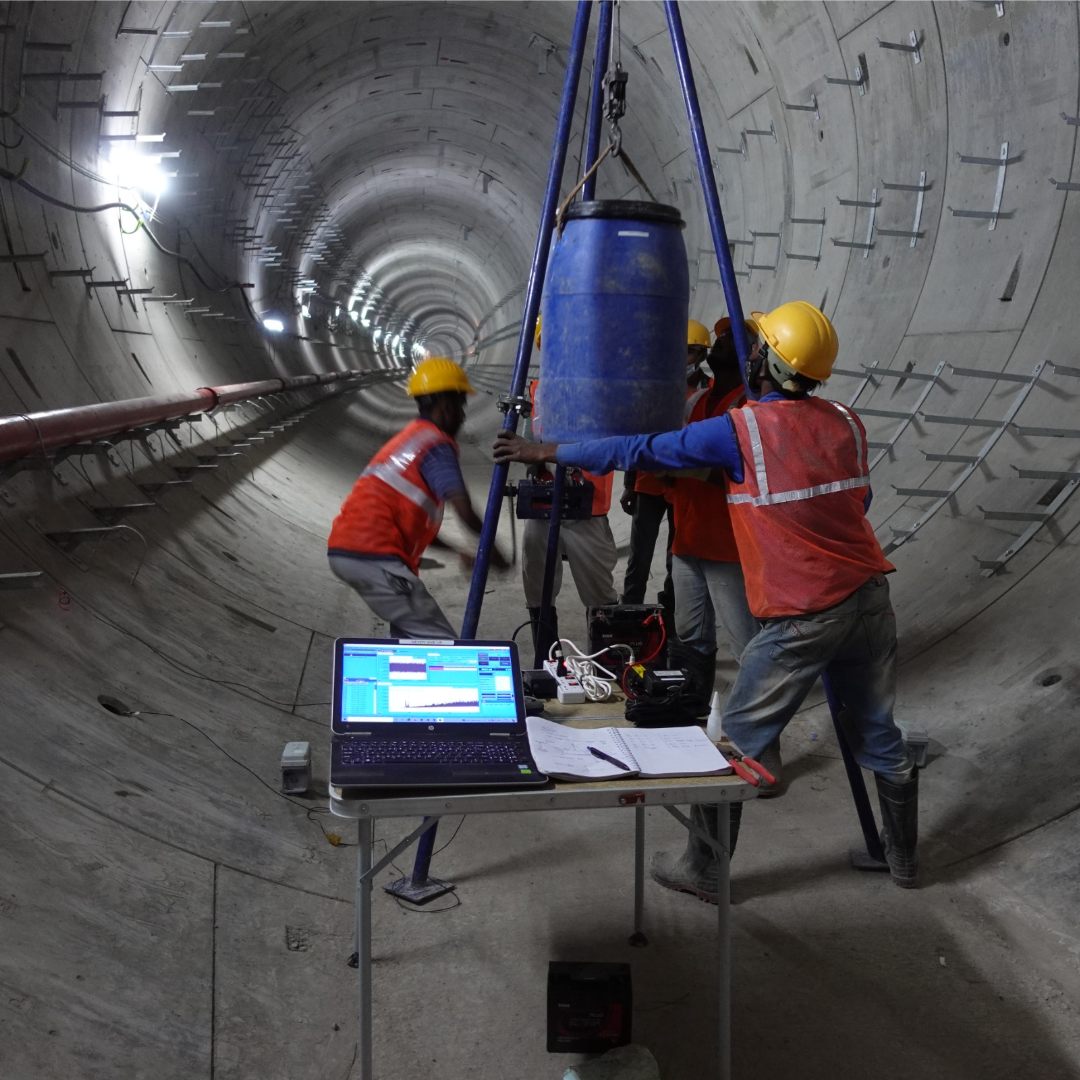
Computer simulation and modeling have been developed to determine potential mitigation techniques for minimizing the negative impact on people and structures. Veneklasen has, for the first time, devised a detailed and systematic protocol for the analysis and mitigation of shock and standing waves set up inside a tunnel geometry of any length. Following such analysis, on-field noise and vibration monitoring is performed before and after deployment of the mitigation methods to determine their effectiveness in reducing the shock wave's frequency components and vibration effects inside and outside the tunnel.
Tell us about your railway project and we will recommend the right measurement, analysis, and mitigation approach.
CONTACT VENEKLASEN ASSOCIATES